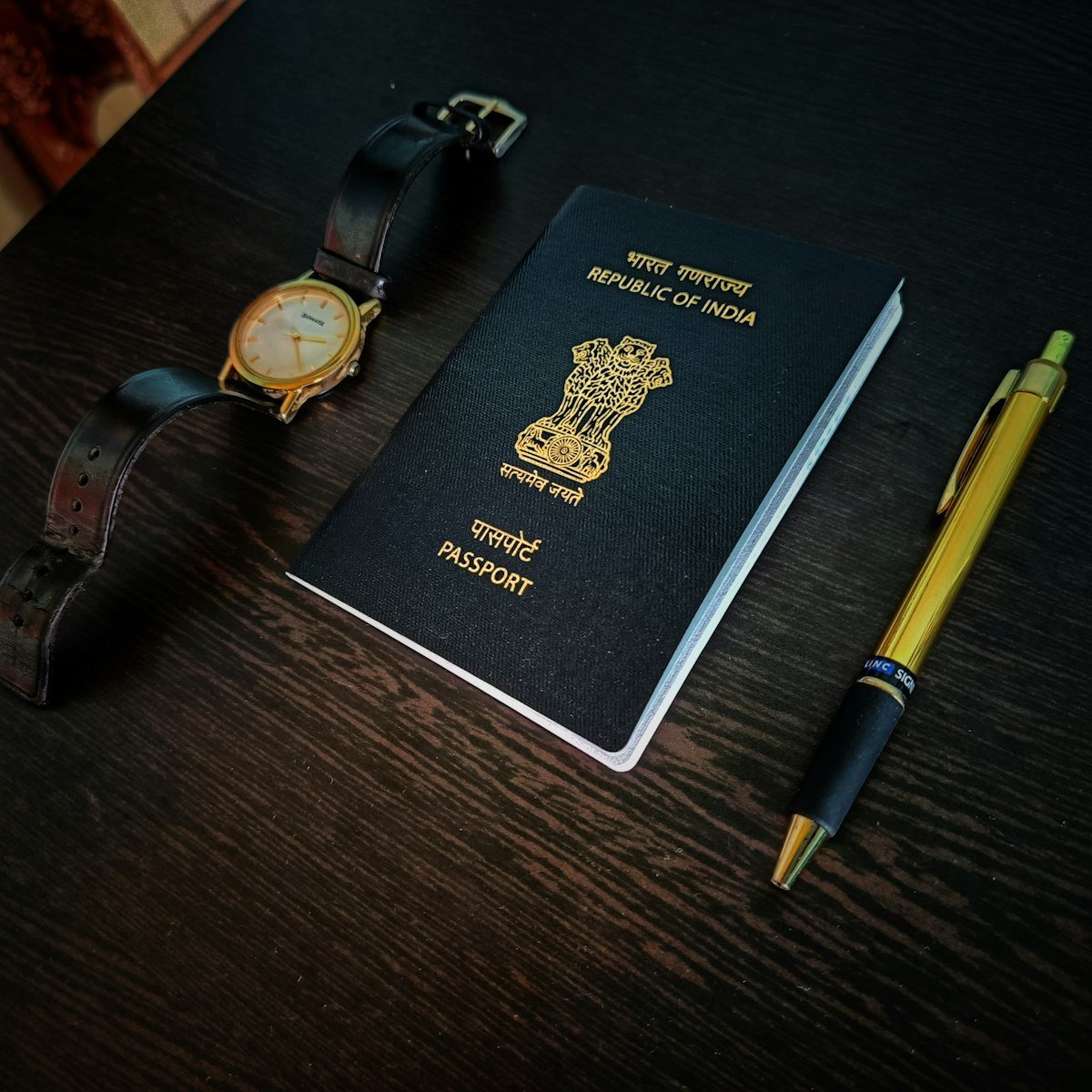
An OCI card — Overseas Citizen of India — is a lifelong, multiple-entry status that lets someone with Indian heritage live, work, and own most types of property in India without needing a visa. It is not citizenship, it is not available to everyone, and it does not remove India's biggest restriction on foreign property ownership. It just moves you outside that restriction, if you qualify.
Who actually qualifies
OCI eligibility runs through ancestry, not residency or intent to relocate. You need to have been an Indian citizen at some point, or have a parent, grandparent, or great-grandparent who was one, or be the spouse of an Indian citizen or OCI holder in a marriage that's lasted at least two years. A Western retiree with no Indian family connection, however long they've lived in or loved India, doesn't qualify — this is the single biggest source of confusion for people researching retirement in India.
What it actually gives you
Lifelong, visa-free, multiple-entry travel to India — no renewing a tourist e-Visa every 180 days, no tracking an expiry date. You can also live and work in India without a separate work permit, and you get property rights close to those of a Non-Resident Indian (NRI).
The property rule that actually matters
OCI holders can buy residential and commercial property in India — apartments, houses, office space, retail units — with no prior Reserve Bank of India approval required, under the same terms as an NRI. Payment has to move through proper banking channels: an NRO account, an NRE account, or direct inward remittance in foreign currency. Cash transactions for property aren't permitted.
What it doesn't give you
OCI is not citizenship. Holders cannot vote in Indian elections, cannot hold most government jobs, and cannot buy agricultural land under any circumstances. It's a strong status — considerably stronger than a tourist visa or the standard 10-year visa some nationalities qualify for — but it stops short of full legal equivalence to being an Indian citizen.
The 2026 digital update
As of May 1, 2026, OCI applications and renewals moved to a fully digital, paperless e-OCI system under the Citizenship (Amendment) Rules, 2026. This changed the mechanics of applying, not the underlying eligibility or property rules — someone who didn't qualify before the digital rollout still doesn't qualify after it.
Where this fits into a retirement decision
For the roughly half of Western retirees in India who aren't OCI-eligible, the practical alternative is staying under the 182-day tax residency threshold on a tourist or long-term visa, without property ownership — a fundamentally different, more transient arrangement than what OCI status allows. The full India retirement guide covers the visa gap, the 182-day rule, and why this single eligibility question splits Western retirees in India into two very different situations.
Model your India retirement numbers
Compare a US tax-resident scenario against an India tax-resident scenario, and see the difference before you commit to a travel pattern.
✦ Open the India Calculator — it's free